


The Last Bell


The Last Bell charts my immersion in boxing for the past six years. From December 2018, and Tyson Fury's dramatic first fight with Deontay Wilder in Los Angeles, to December 2024, and Oleksandr Usyk's unforgettable second straight defeat of Fury in Riyadh, the book tracks a small group of professional fighters. Apart from Fury and Usyk, other featured fighters include Isaac Chamberlain, Regis Prograis, Katie Taylor and Canelo Álvarez.
At the same time I examine the gathering darkness of gangsterism, positive drugs tests and the Saudi Arabian takeover of professional boxing. These developments unfold against the personal grief which saw me lose my sister, my parents and my mother-in-law in close succession. More tragically, five professional boxers died after their fights in the dizzying space of four months in 2019.
Patrick Day, one of these young men, becomes a key character in The Last Bell as, with the help of his brother and his best friend, I try to understand his fate. Pat was a college-educated, charismatic, eloquent and charming 27-year old. His father was a doctor, and his mother worked at the United Nations in New York. Pat could have done so much with his life and he clearly did not need to box. But he loved boxing - to the point where it cost him his life.
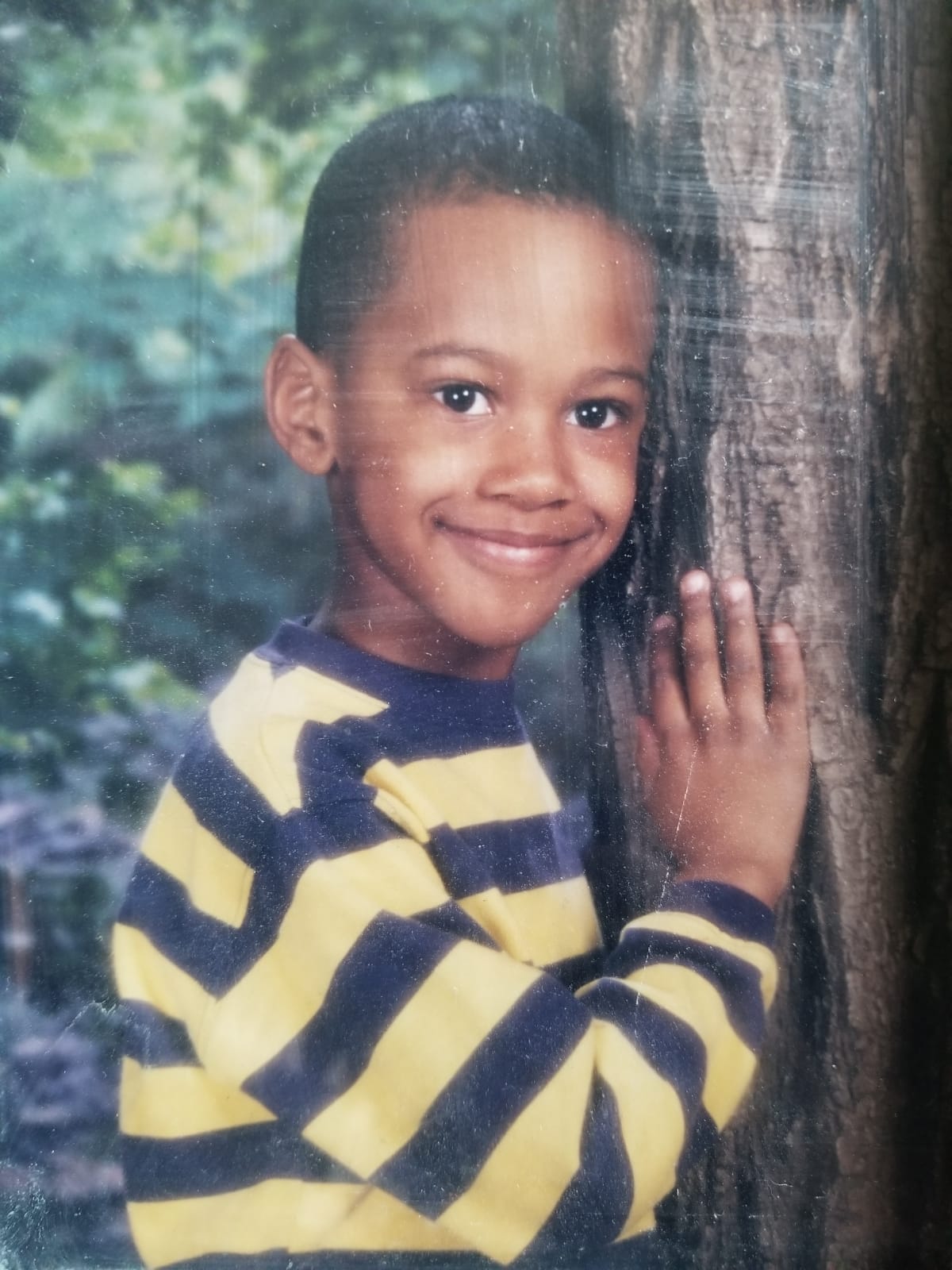
I flew to New York six weeks after Pat's death - and returned many times to meet with Patrick Aristhene and, especially, Jean Day. Pat's eldest twin brother was full of anger, regret and love: "Here lies my source of guilt. My baby brother was left to fend for himself in a realm inhabited by individuals who didn't prioritize his well-being over the value of a dollar. I wish that me, or a family member, or a trusted family confidant, could have been present to oversee business dealings with the preservation of his safety in mind.
"Boxing was one of Patrick's true loves, and yet, as faithful as he was, it betrayed him by claiming his life…I hate that he's gone. I'd forego all the fights and fanfare just to hear him greet me with his standard 'Yeah!' when I enter the house. But Patrick couldn't live without boxing.
"While we were in Haiti two years ago for Christmas, my Uncle Ronald asked Patrick if he would stop boxing if he offered him one million dollars. Patrick looked him in the eye and told him that if he offered him 20 mil he wouldn't stop. Patrick was loyal to the game. So now all we can do is look at pictures and videos, and cling to memories."

Pat Day's story lies at the heart of The Last Bell and the book is dedicated to his family and friends.
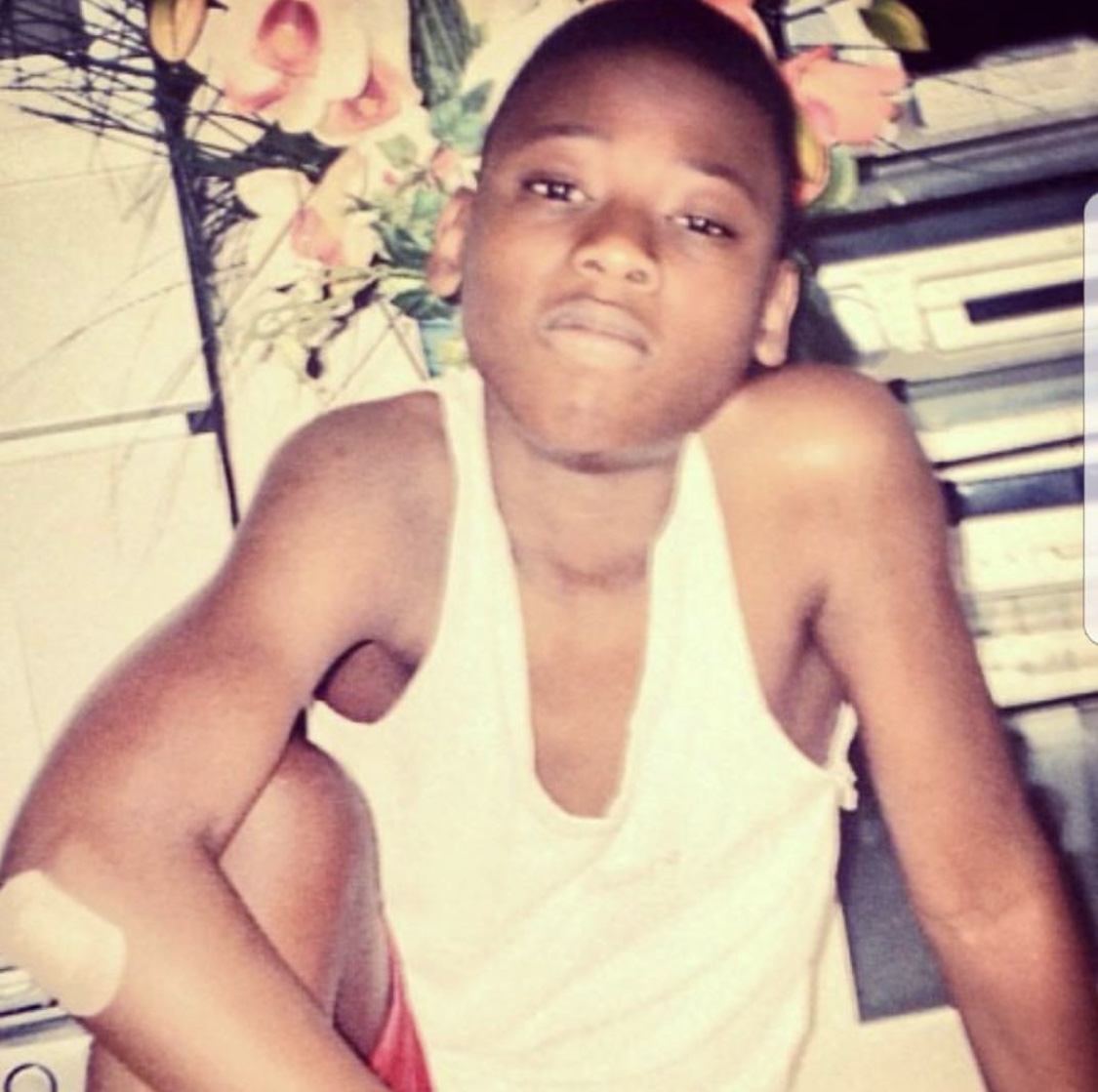
Of all the fighters in the book, I am closest to Isaac Chamberlain who had once been an eleven-year-old drug runner in Brixton, ferrying cocaine, crack and heroin. He told me how boxing saved him. Isaac, who dreamed of becoming a world champion, was also a secret writer. He wrote to me about his doubts and fears: "I've been through so much trauma that it's a constant battle to convince myself I deserve the smallest success. I'm just a little peanut-head boy from Brixton who was never meant to be anything. Bullied at school, no father-figure, no real direction. But when dark times come I smile and think: 'I've lived here many times.'"

Andrew Fox
I was with Isaac before and after every one of his fights over the past five years.
I saw him push himself to the brink against Chris Billam-Smith as he tried so hard to win the European title. He ended up in hospital but he came back to win the British and Commonwealth titles at York Hall on a night of incredible jubilation.
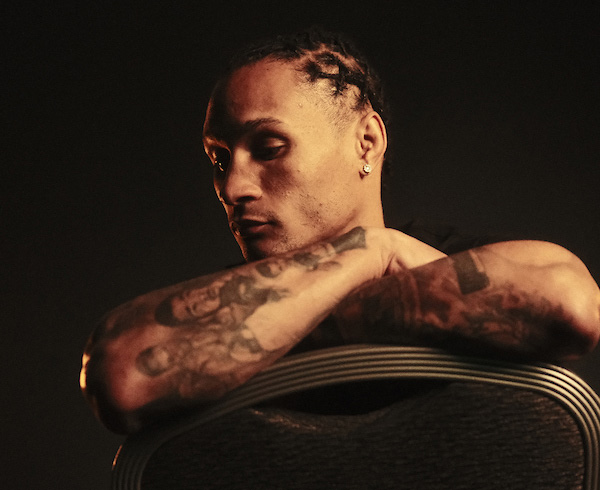
Regis Prograis was already a world champion from New Orleans who had fled with his family to Texas after Hurricane Katrina. We bonded over our shared love of books as we railed against the misery of boxing. Prograis believed it was rife with doping: "This business is so dirty and corrupt that, if I didn't love the sport as much as I do, I would walk away."
Ed Mulholland
I also wanted to turn away from boxing. It was riddled with gangsterism - exemplified by the close association Fury and many other fighters and promoters had with Daniel Kinahan. In April 2022 the United States government stressed that bringing the Kinahan cartel to justice had become a priority. Drew Harris, the Irish police commissioner, said anyone in boxing who worked with Kinahan were "dealing with criminals engaged in drug trafficking. They will resort to vicious actions, including murder."
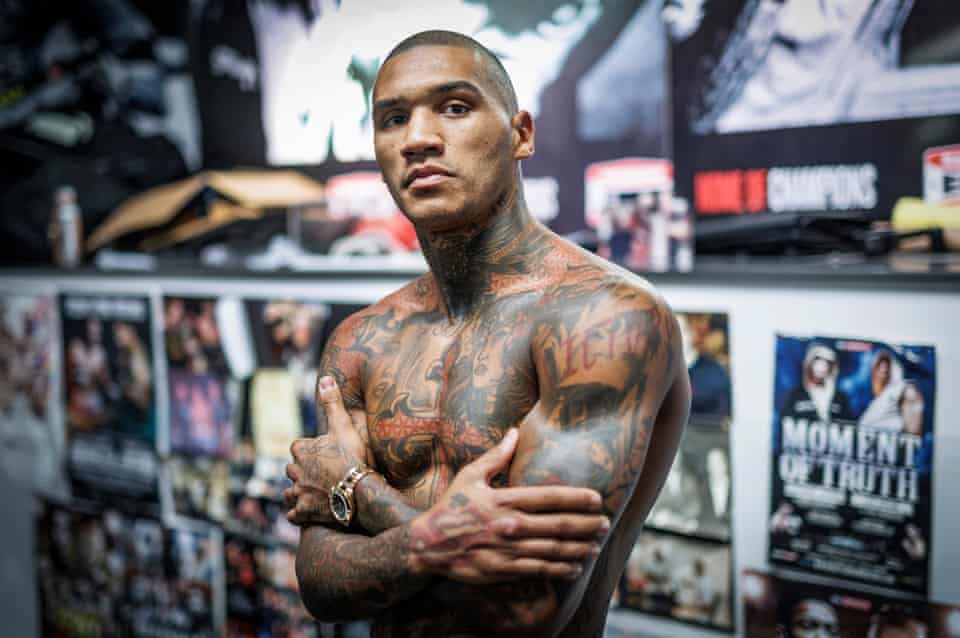
Conor Benn then tested positive twice for clomifene but he and his promoter Eddie Hearn, and many others, tried to proceed with his fight against Chris Eubank Jr October 2022. This case hung over boxing, and me, for the next two-and-a-half years. As the book documents, it made me feel sickened by the grim old fight business.
Tom Jenkins
More seriously, boxing is now controlled by Saudi Arabia. I have travelled three times to Riyadh and the interviews I've done about Saudi people jailed or on death row for mild criticism of the state affected me more than the fights I saw - even when they were as stunning as the first of two victories for Usyk over Fury last year.
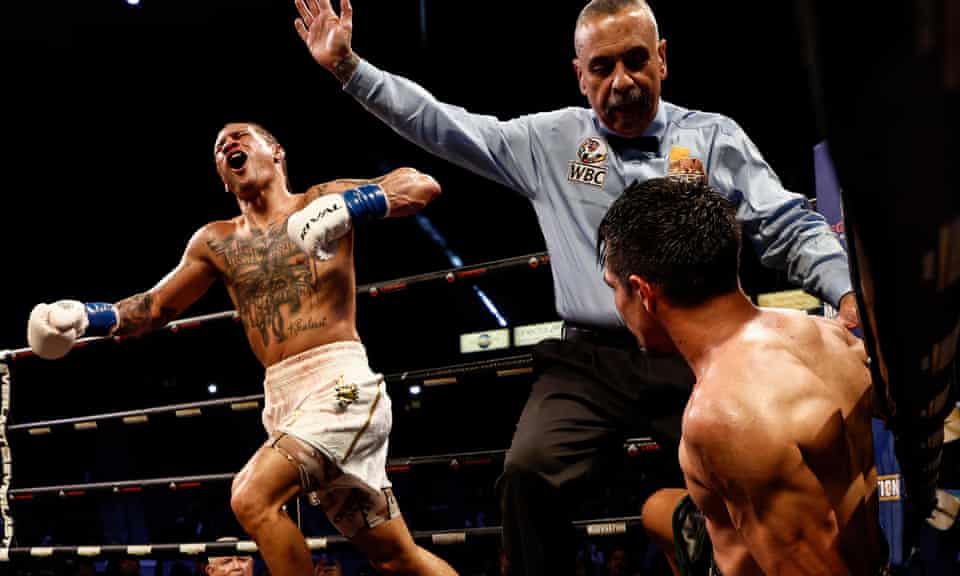
I have been fortunate to talk often to Usyk and his significance in Ukraine, since the Russian invasion, restored my battered belief in the power of boxing. I feel the same about Katie Taylor who has quietly led the battle for recognition of women fighters. Her first bout against Amanda Serrano, at Madison Square Gardens, was an unforgettable night of glory and valour - as was the night I spent with Regis in his locker room before and after he became a world champion for a second time in California.
Étienne Laurent
Such moments sustained me while I wrote the book - as did the fact that I know what it's like to see joy pour out of a boxer after a great victory and to remember how it had been so sombre an hour earlier when he walked to the ring. I know what it is like to hold a fighter's hand while he is crying and being wheeled away on a stretcher to an ambulance after a brutal bout.
Boxing has a perverse way of turning every significant bout I see into something deeply personal. It echoes the small battles and little triumphs of real life when I write about boxing stories as profound as they are colourful. It happens when I am almost close enough to touch the ropes while watching boxers risk their lives. I fall for the gory drama once more.
But I also know that the ring is darker than it has ever been. When it comes to writing books about boxing I think I am done. It's finally over for me. But I have written The Last Bell and I hope it shows that, at its finest, boxing transcends sport to become epic and electrifying before reminding us that, above all else, the humanity of fighters resonates most.
'Exhilarating and terrifying' [The Herald, Book of the Month]
'Powerful and poignant' [The Sunday Times, Book of the Week]
'Characteristically riveting...unusual and fascinating' [The Spectator]
'Beautifully written... McRae remains a guiding light' [Boxing Scene]
'Brilliant...poignant....characterised throughout by moral clarity.' [Literary Review]
'Few have covered professional boxing's ugliness and exhilaration with McRae's deftness of touch…artistry and compassion' [The New Statesman]
'Boxing's most eminent chronicler...' [Times Literary Supplement]
'One of the most engaging sportsbooks sports books I've read in a long time' - Mike Williams, The Today Programme, BBC Radio 4
'Exceptional and unique. I can't recommend it enough' - David Whitehouse, author of About A Son
'Every new book about boxing from Donald McRae is cause for celebration. Nobody does it better' - Thomas Hauser, author of Muhammad Ali: His Life and Times
'The Last Bell is heart-pounding and enraging, and yet somehow tender too.' Dina Nayeri, author of The Ungrateful Refugee
'One of the very best writers working today' - Benjamin Myers, author The Offing and The Gallows Pole
'Fine, vivid, and searching' - Ed Caesar, author of The Moth and the Mountain
'Boxing, sport even, is fortunate to have a laureate such as this.' - Adrian Duncan, author of Sabbatical in Leipzig
'McRae proves, once again, that he is one of the great sportswriters of his time' - Tris Dixon, Boxing Scene, author of Damage: The Untold Story of Brain Trauma in Boxing
'It should be treated with the reverence it deserves and preserved in a time capsule somewhere. For The Last Bell, like Dark Trade before it, strikes this writer as a radical act, the kind of work that not only captures the current boxing climate with precision, but also promotes a language and brand of honesty one feared had been eradicated from the sport in recent years.....beautifully written... McRae remains a guiding light' [Elliot Worsell, author of Dog Rounds: Death and Life in the Boxing Ring]
'It is 29 years now since Dark Trade was published. McRae's first boxing book remains one of the great journeys into the sport's black heart and won him the first of two William Hill Sports Book of the Year prizes. Whatever beats The Last Bell to the prize this year - if anything does - will have to be pretty extraordinary." [Malachy Clerkin, The Irish Times]
